
Lower cooling demand
Energy-Saving Window Film for Tucson Homes
Windows are often the weakest part of a Tucson home's envelope. Energy-saving film cuts the solar heat they let in during the long cooling season, and low-E versions help hold warmth on the clear, cold winter nights the desert is known for.
 Tucson
How Window Film Saves Energy in a Tucson House
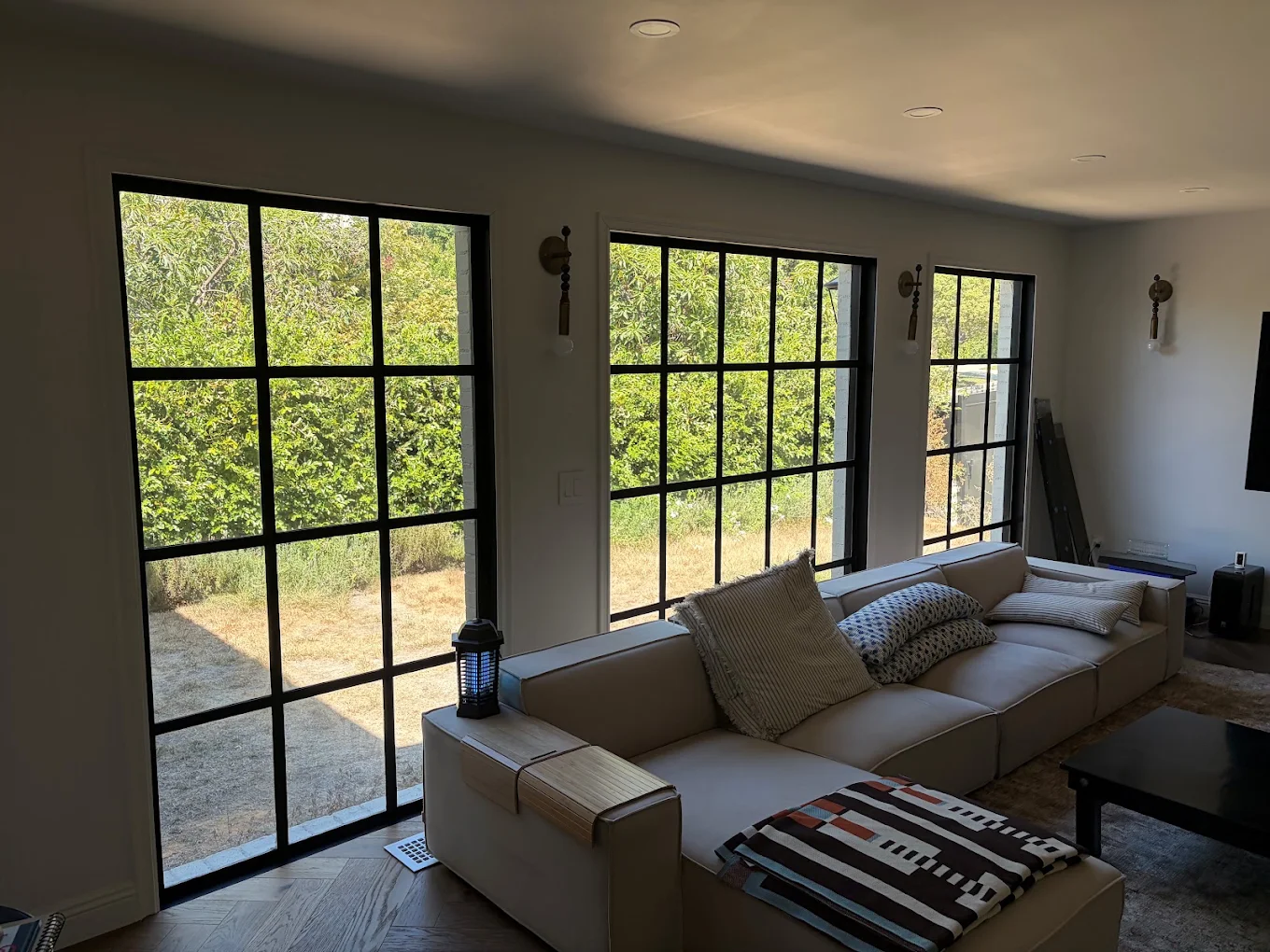
In Tucson, most of a home's energy use in summer goes to cooling. Walls and roofs can be insulated, but glass lets solar energy pass straight through, where it turns into heat inside the room. That heat has to be pumped back out by the air conditioner. Energy-saving film reduces the amount of solar energy entering through the glass, so there is less heat to remove.
The savings depend on the house: how much glass faces east and west, whether the windows are single or dual pane, how much shade they get and how the AC is set. Film is not a replacement for attic insulation, duct sealing or a properly sized AC unit. It addresses the windows specifically, which are often the biggest heat source in rooms with large glass.
Window Film and Tucson Electric Power Summer Bills
Most homes in the Tucson area buy electricity from Tucson Electric Power, and summer bills climb as the AC runs longer from late spring into fall. Many households are on time-of-use plans, where electricity costs more during late afternoon and early evening, exactly when the sun hits west windows hardest.
Film on west glass reduces cooling demand during that peak window, which can be especially helpful on a time-of-use rate. We do not promise specific savings, since every home and rate plan is different, but we can share the film maker's performance data and explain what changes to expect. Some outlying communities are served by other utilities, so check your own bill and rate details.
Low-E Energy Film for Cold Tucson Winter Nights
Tucson's dry air lets heat escape fast after sunset. Winter days can be pleasant and sunny, then drop near or below freezing overnight, especially on the east side and in low-lying areas. Single-pane windows in older homes lose a lot of heat on those nights.
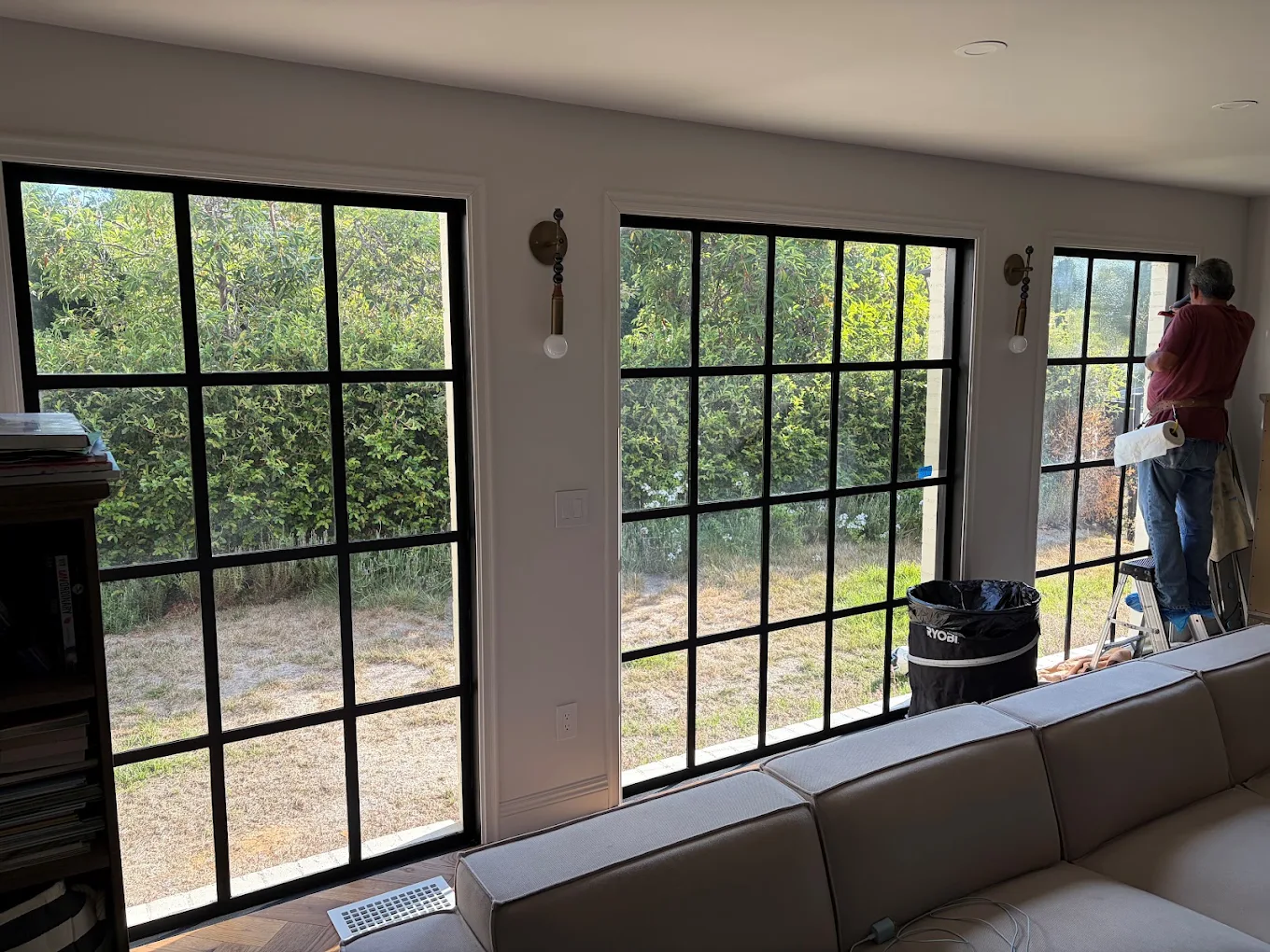
Low-E film has a microscopically thin coating on its room side. Warmth radiating from walls, furniture and people hits that coating and is turned back inward instead of leaking out through the glass. That helps a house hold warmth overnight while still cutting summer solar gain. For older homes in Midtown, Jefferson Park or South Tucson with original single-pane glass, a low-E film can be a practical middle step before full window replacement.
- Spectrally selective film for summer heat rejection
- Low-E film for winter heat retention
- West and east glass prioritized for peak hours
- Compatibility checks on dual-pane windows
Energy Film on Older and Newer Tucson Windows
Single-pane aluminum windows from the 1950s through the 1970s are common across central and east Tucson. These windows let a lot of heat through, so film makes a large relative difference. Replacing them all can be costly, and film offers a lower-cost way to improve comfort now.
Newer dual-pane low-E windows in places like Rita Ranch, Oro Valley and Marana already perform better. Film on those windows targets the hottest exposures and must be approved for the existing glass to avoid stress. We check every window before recommending film on dual-pane glass.
Energy-Saving Window Film Benefits in Tucson
Lower Window Heat Gain in Summer
Less of the sun's energy makes it past the pane once film is up. Less heat inside means the AC runs less often and for shorter cycles during the hottest part of the day.
Peak-Hour Relief on West Glass
West windows heat rooms during late afternoon, when time-of-use rates are often highest. Film on that glass reduces cooling demand during those hours, which helps on rate plans that charge more at peak.
Low-E Film for Better Winter Heat Retention
Because it returns radiant warmth toward the living space, a low-E layer helps on cold desert nights when single-pane windows normally lose warmth quickly. Rooms near large windows feel less chilly in the morning.
Energy Film Cheaper Than New Windows
Film improves the performance of existing glass for far less than full window replacement. It is a practical upgrade for older homes, and for owners who plan to replace windows later but want relief this summer.
TEP Bills, Winter Nights and Energy Film: Tucson Questions
How much can window film lower my TEP bill?
It depends on your home, your glass and your rate plan. Homes with a lot of unshaded west glass usually see the most change. We share the film maker's data on heat rejection but do not promise a specific dollar amount.
Will energy film do anything for me between November and February?
A plain solar film earns its keep mostly in the hot months. A low-E film works in winter too, since it sends radiant warmth back into the room overnight. For Tucson homes with single-pane glass, low-E film is often the better all-year choice.
Is film better than replacing my windows?
New windows perform better overall but cost much more. Film is a practical upgrade if your windows are in good condition and you want improvement now. Many owners use film first and replace windows later.
Are there rebates for window film in Tucson?
Utility and government programs change over time and may not cover film. Check current offerings with your utility and any applicable tax credits before you assume a rebate. Performance sheets for any film we install are yours on request.
Window film quote
Tucson Energy-Saving Film Estimate
Let us know which rooms run hot or cold, whether your windows are single or dual pane, and roughly how big they are. Add photos through the quote form and we will suggest an energy film and a price.
Prefer email? info@windowfilmtucson.pro